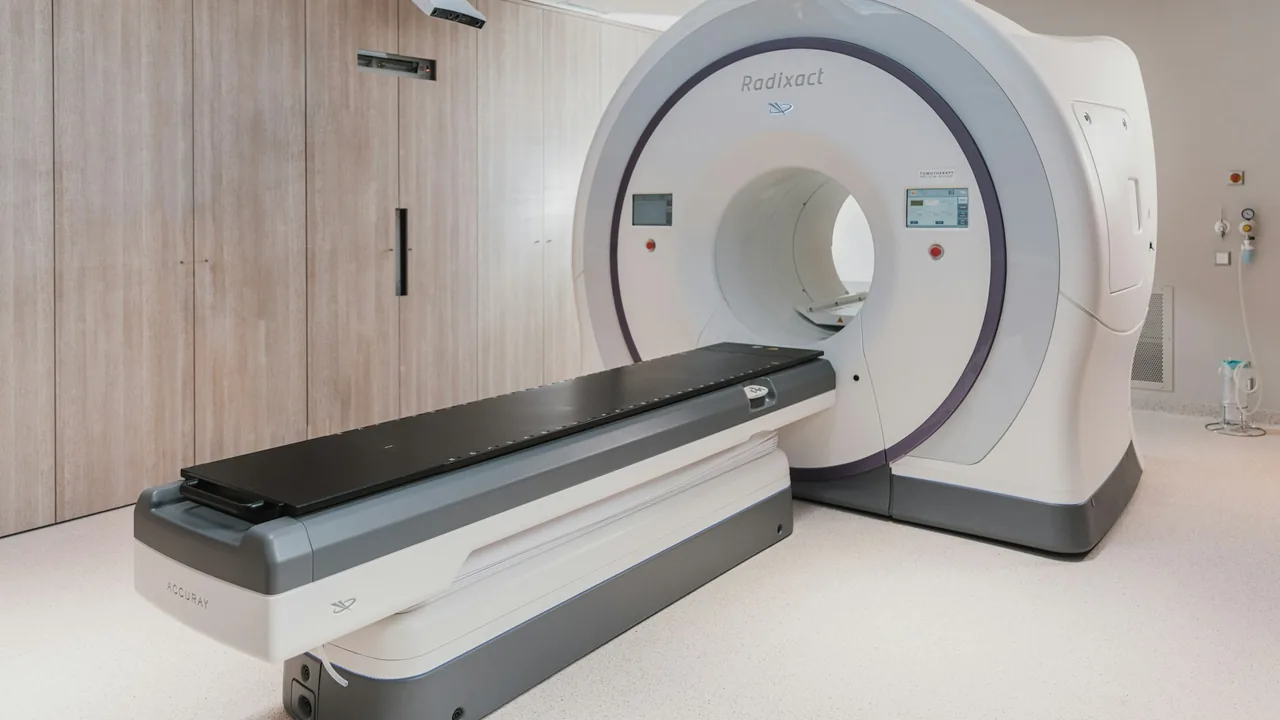
A CT scanner aborts a scan mid-sequence. An MRI sequence stops with an error that clears on restart. A laboratory analyser restarts a run. The service engineer arrives, runs diagnostics, finds no permanent fault and leaves. Two weeks later it happens again.
At that point the conversation becomes predictable. The equipment supplier suspects the facility — the power, the cooling, the room. Facilities suspects the equipment. A room-temperature average and a normal handheld voltage reading do not resolve anything, and every repeat visit costs money and patient appointments.
This guide shows how to replace that argument with evidence both sides accept.
The question to answer
Was the interruption electrical, environmental, or internal to the equipment? Each answer sends the problem to a different team: the electrical contractor, the HVAC or cooling team, or the equipment manufacturer.
Why spot checks don’t settle it
Imaging and laboratory systems are sensitive to short events — a dip of a few cycles, a transient, a brief interruption during a generator or UPS transfer — and to environmental drift in the equipment room or chiller supply. Neither shows up in a reading taken after the fact. What is needed is a continuous record of the supply and the room, on one timeline, captured at the moment the equipment reported its fault.
The measurement plan
- Monitor the equipment supply and a relevant upstream point. Two channels allow you to see whether a disturbance came from the building supply or appeared only at the equipment’s own feeder.
- Measure temperature where it actually matters — at the location representing the cooling or room condition of interest, not wherever a sensor is convenient. Add humidity, pressure or flow where relevant.
- Ask the service team for fault codes and cycle timestamps. Collect only what you need: equipment events and times, never patient data.
- Run long enough to catch several complaints. One coincidence proves little; a repeating pattern is evidence.
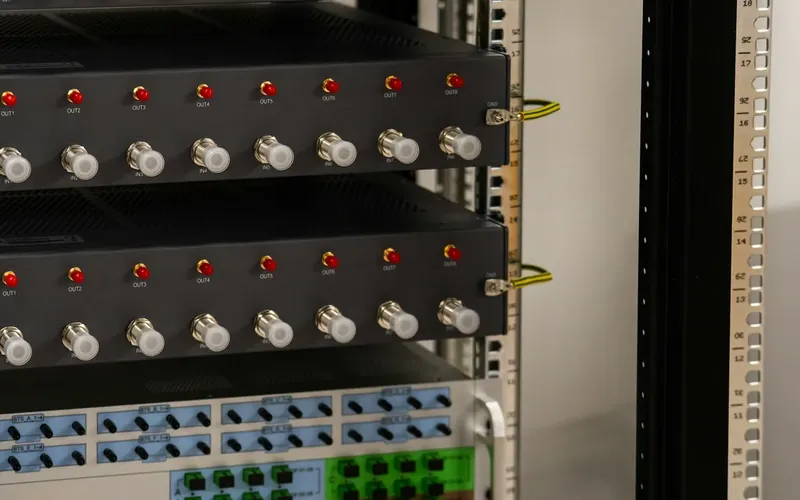
Inspector V4 records power quality events with five cycles of waveform either side, alongside temperature, humidity and air-quality sensors on the same timeline. Its internal power supply is certified to IEC 60601-1, the safety standard for medical electrical equipment, which simplifies the conversation about installing it in clinical areas.
Reading the evidence
Compare the onset of each complaint with electrical events, environmental excursions and the equipment’s operating cycle.
| Pattern | Where it points |
|---|---|
| A power event immediately precedes the fault, repeatedly. | The supply, or the equipment’s ride-through. Check whether the event appears upstream too. |
| A power event precedes a cooling interruption, which precedes the fault. | The cooling plant’s sensitivity to the supply, not the imaging system. |
| Gradual temperature or humidity drift while the supply remains stable. | Room or chiller conditions. |
| Faults with no electrical or environmental change at all. | The equipment itself — and the evidence now supports that conclusion. |
A single coincident event is not proof. Repeated timing patterns are useful evidence, but one dip near one fault does not establish that the site caused the failure. Keep the unresolved hypotheses in the report.
One incident pack, shared by both sides
Build a single pack for the facility team and the service team containing:
- the event timeline,
- local environmental conditions,
- the equipment fault code and cycle time,
- the measurement configuration,
- hypotheses that remain unresolved.
Then agree a targeted action and an observation period that includes comparable equipment cycles. Because both parties are looking at the same evidence, the conversation moves from blame to engineering.
Generator tests and UPS transfers
Many imaging faults cluster around scheduled generator tests or UPS events. If yours do, read Why production lines stop “for no reason” for how to reconstruct a changeover sequence, and What did the UPS really deliver? for how to check what reached the protected load.
For equipment vendors: warranty claims
The same evidence matters to the companies that sell and service imaging systems. When a failed board is claimed under warranty, a site power record shows whether the equipment was operating within its specified supply conditions. That turns a commercial argument into a technical one — in either direction.
What success looks like
- fewer repeat service visits,
- less time to assign the problem to the right engineering team,
- fewer aborted cycles,
- a higher share of incidents with sufficient evidence.
The commercial value comes from resolving recurring problems with fewer speculative part replacements.
Monitoring is not a medical function. Inspector does not diagnose the medical device and does not certify a medical installation. Use approved sensors and mounting, and keep clinical operations and equipment safety under the facility’s existing procedures.
Related reading
- What a power quality analyzer actually tells you
- What did the UPS really deliver?
- Pharma and cold-chain excursions
Recurring faults on an imaging system nobody can pin down?
Talk to an engineer who has instrumented imaging rooms. Twenty minutes, no obligation. Book a meeting