
Inspector V4
Full specifications for the flagship: measurement ranges and accuracies, grounding measurement, package contents and the complete accessory list.
Request this datasheet →Resources
Engineering guides for the problems we see on real sites, plus the official datasheet for every Inspector model.
Application guides
Engineering guides that take one recurring failure at a time — what to measure, where, how to read it, and what to do next. Written by the team behind Inspector.
 Choose a Power Quality Analyzer That Helps Explain Equipment Trips
A power quality analyzer is only useful if it answers an engineering decision. What the instrument records, where its evidence stops, and how to pick between fixed, portable and panel-mount models.
Read the guide →
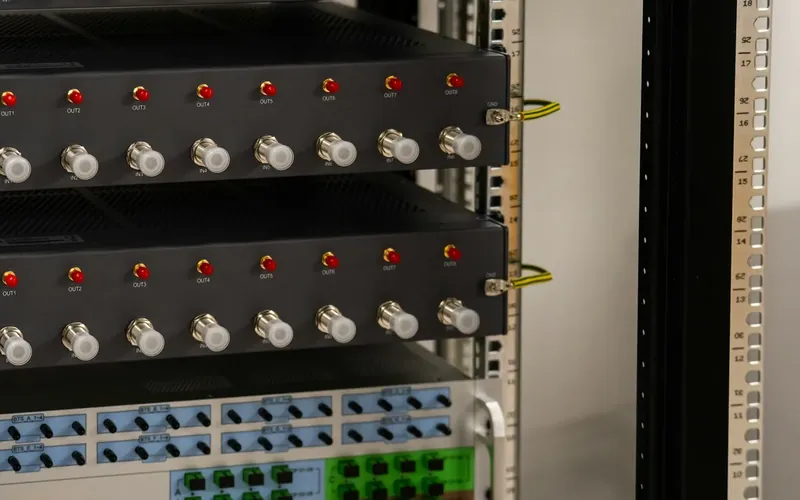 Why your capacitor bank may not be fixing poor power factor
A hot transformer, an overloaded neutral or a power factor penalty despite a capacitor bank. How to separate reactive loading from harmonic distortion before you buy the wrong fix.
Read the guide →
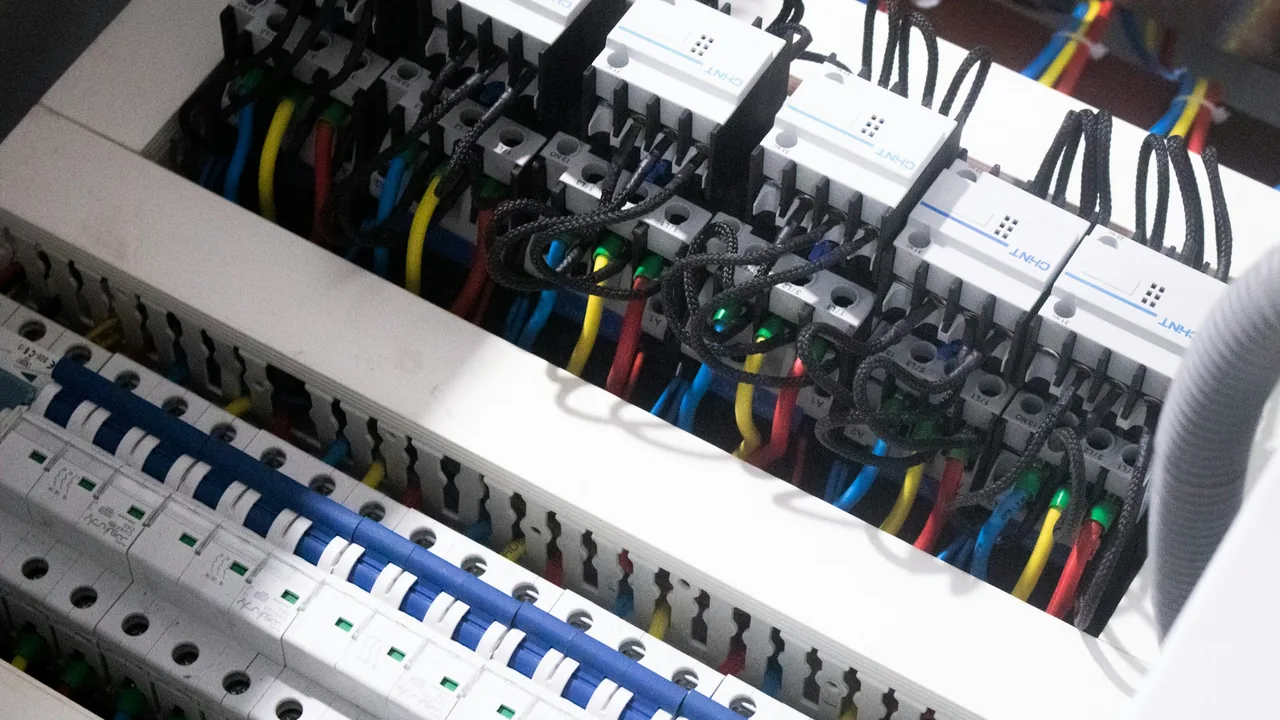 Why production lines stop for no apparent reason
A line trips several times a week, but everything looks normal when maintenance arrives. How to prove whether the disturbance came from the supply, from inside the plant, or from a generator changeover.
Read the guide →
 Building a defensible power quality baseline
When a facility and its supplier disagree, screenshots settle nothing. How to plan, record and report a power quality baseline that another engineer can review — and what IEC 61000-4-30 and EN 50160 do and do not say.
Read the guide →
 Motor predictive maintenance: when a running motor needs attention
Current signature analysis and vibration trending can tell you which motor to inspect first. They cannot tell you when it will fail. A practical, honest workflow for screening, escalating and confirming.
Read the guide →
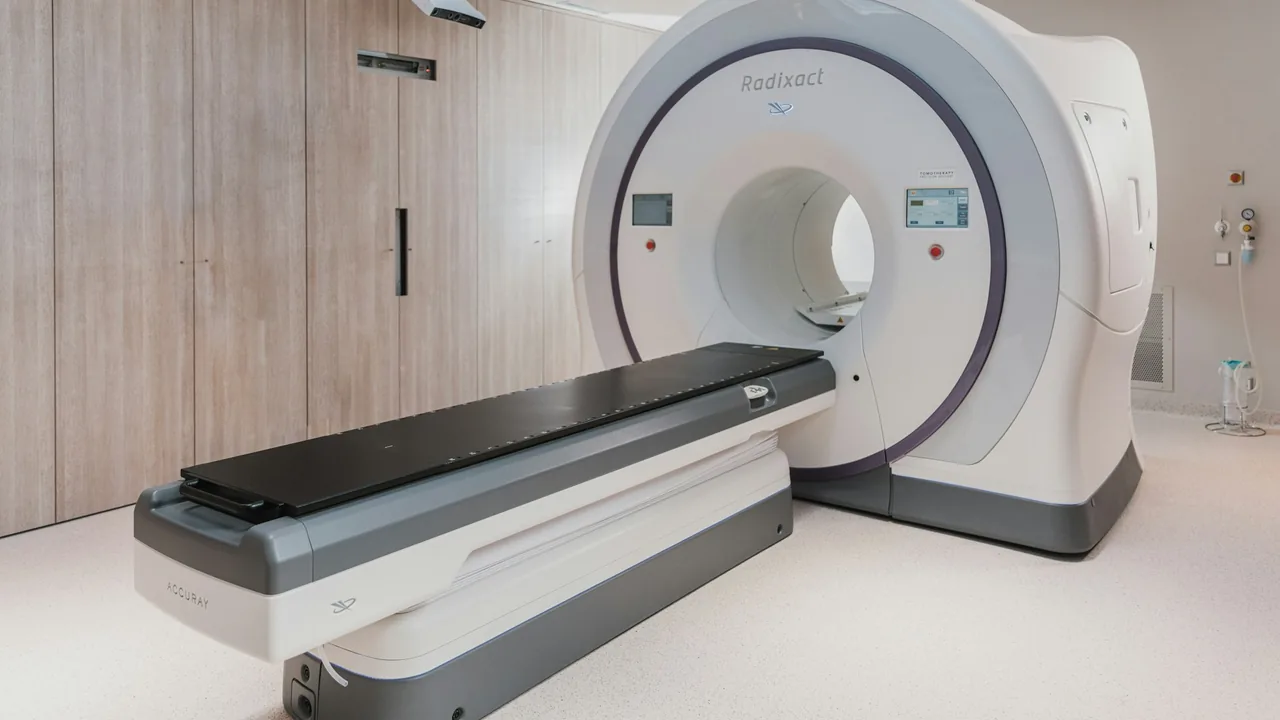 Equipment Fault or Site Power? Settling the Argument in Hospital Imaging
An imaging system aborts a scan, the service engineer finds nothing, and the vendor blames the building. How to build one shared evidence pack that both facilities and the equipment supplier can trust.
Read the guide →
 UPS input and output verification: what the protected load actually saw
The UPS logged an input event — but did the load see it? And why does output power sometimes exceed input? How to measure both sides of a UPS and read the numbers without fooling yourself.
Read the guide →
 VFD trips and motor electrical stress: find the cause before replacing equipment
A pump hunts, a fan trips at one speed, a motor runs hot. Before replacing a drive or a motor, separate supply, drive and process causes with measurements on both sides of the VFD.
Read the guide →
 Before You Add the Next Big Load: A Practical Site Survey
Nameplate totals say you need an upgrade; occasional meter readings say you have spare capacity. Neither shows coincident demand. How to survey a site properly — including busway hot spots — before the next machine, chiller or shift.
Read the guide →
 Solar inverter underperformance: identify the loss before choosing the repair
An inverter produces less than expected and its efficiency swings through the day. How to separate weather, clipping, curtailment and measurement errors from a real fault — and when an I-V curve helps.
Read the guide →
 Pharma and Cold-Chain Excursions: Duration, Cause and Response
A cold store left its range overnight and all you have is a maximum value. How to monitor so that every excursion comes with its onset, duration, cause, sensor health and the response taken.
Read the guide →
 From Remote Sites to Fleets: Monitoring That Actually Gets a Response
Sensors that nobody answers, alarms duplicated across chat groups, a dashboard that looks current while the link is down. How to design remote and multi-site monitoring that closes the loop to maintenance.
Read the guide →
Portable and permanent power quality monitoring
A portable analyzer only sees what happens while it is connected; a permanent monitor only helps if someone acts on it. How to choose by how often the problem appears and what evidence you need.
Read the guide →
Power quality analyzer price and the cost of a complete setup
What an analyzer price includes: dated price examples, a worked budget comparison and the questions that make supplier quotations easier to evaluate.
Read the guide →
EN 50160 explained: Voltage limits and equipment trips
EN 50160 limits at a glance: supply voltage within ±10 % and THD ≤ 8 % for 95 % of a week of 10-minute values, and how compliance is actually judged.
Read the guide →
IEEE 519 Explained: Harmonic Limits, TDD and What Changed in 2022
IEEE 519 limits in one table: voltage THD 8 % at 1 kV and below, 5 % up to 69 kV, 2.5 % up to 161 kV, current TDD by ISC/IL, and how compliance is checked.
Read the guide →
Voltage Dip vs Sag vs Interruption: Definitions, Causes and Ride-Through
A sag (IEEE) and a dip (IEC) are one event: voltage falls to 10–90 % for half a cycle to 1 minute. Deeper is an interruption. Ride-through explained.
Read the guide →
Transient Overvoltage: Causes, Effects and How to Catch One
Transient overvoltages are microsecond-to-millisecond spikes from lightning, capacitor switching and inductive loads. Types, damage and how to record one.
Read the guide →
Power Quality Problems: Symptoms, Causes and What to Measure
Breakers trip, drives fault, transformers run hot. A symptom-by-symptom table of the power quality causes behind each one, and what to measure to prove it.
Read the guide →
Class A or Class S: Choosing a power quality analyzer
Class A makes two instruments agree within a fixed uncertainty; Class S is for surveys. What each class means, the accuracy gap and when Class A matters.
Read the guide →
Datasheets
Full specifications for the flagship: measurement ranges and accuracies, grounding measurement, package contents and the complete accessory list.
Request this datasheet →The same measurement engine in a rugged case, with the 7″ touchscreen and the accessories carried for site surveys.
Request this datasheet →AC and DC power quality in the panel, with digital inputs, relay outputs and the optional power-quality and earth-resistance module.
Request this datasheet →The same measurement board without a screen, fed 24 V DC — the model to specify when fitting many.
Request this datasheet →Environmental monitoring only: temperature, humidity, air quality and vibration for server rooms, stores and warehouses.
Request this datasheet →Engineering guides
Dips, swells, harmonics and unbalance — what each one does to equipment, and how it is classified. References IEC 61000-4-30, EN 50160, IEEE 1159 and ITIC/CBEMA.
Request the guide →26 evidence-based checks across supply, UPS, generator transitions, earthing and environment, with a scoring band at the end. Built for biomedical and facilities engineers.
Request the checklist →Request
Complete the form below to access your selected document. Your information will be used to process your request and provide relevant product support.